The State of Secrecy by Norton-Taylor Richard;
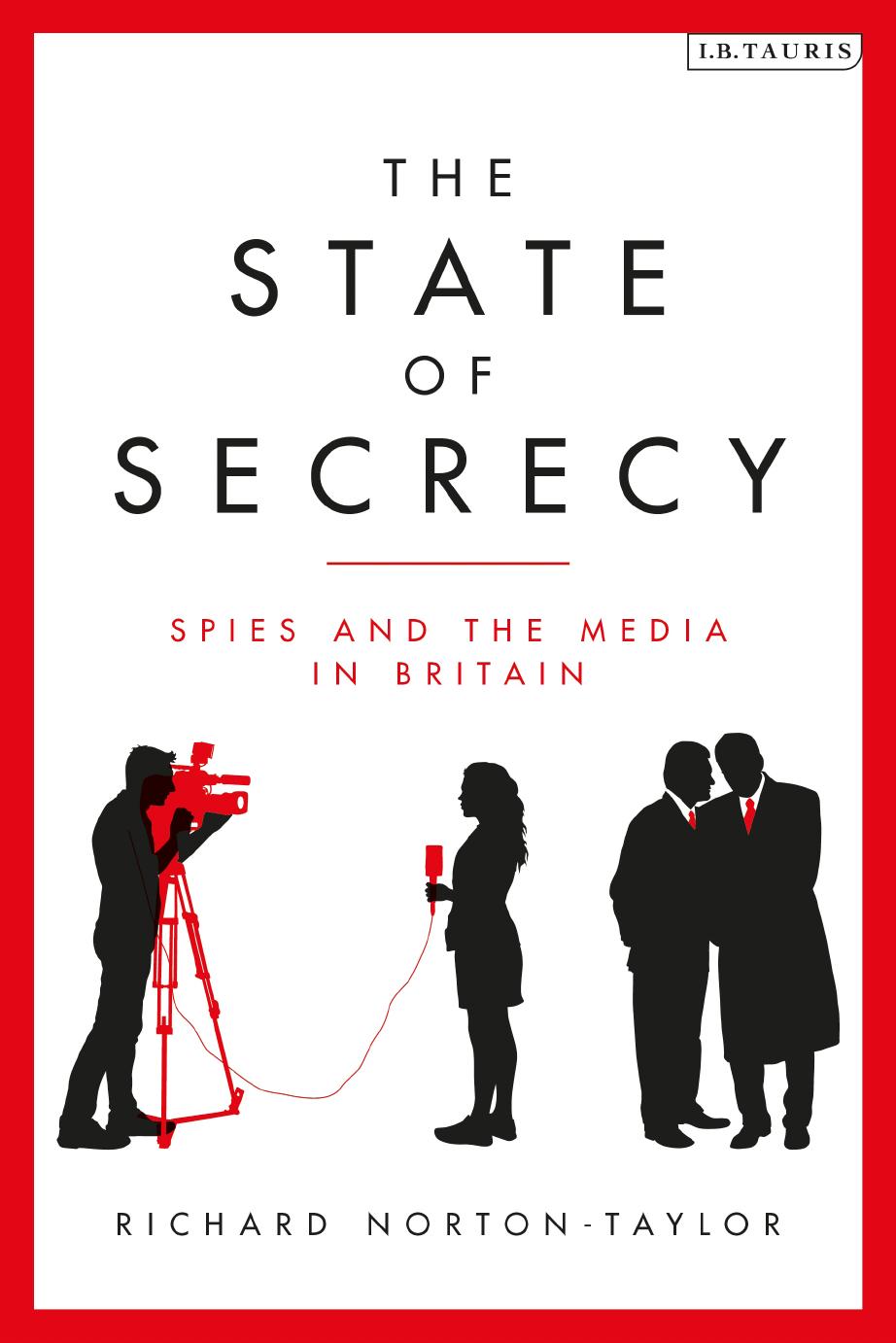
Author:Norton-Taylor, Richard;
Language: eng
Format: epub, pdf
Publisher: I. B. Tauris & Company, Limited
7
Spies: Their uses and abuses
London, November 1999.
âSecrets are like sex. We all suspect that others get more than we do ⦠.Then there is the enchantment of simple things, the gadgetry of espionage: secret inks, dead letter boxes, microdot cameras. ⦠The security and intelligence agencies are not beyond exploiting their mantle of secrecy â it helps to impress their opponents and was good for recruitment. It also makes it harder for the Treasury to demand value for moneyâ
â Sir Rodric Braithwaite, former British ambassador to Moscow and chairman of Whitehallâs Joint Intelligence Committee (JIC).1
What are Britainâs main security and intelligence agencies?
MI5 and MI6 have their origins in an atmosphere of hysteria and spy mania which, as we have seen, was directed in particular against Germany in the early years of the twentieth century. In 1909, the Cabinet set up the Committee of Imperial Defence in response to what was perceived to be the growing threat, both military and from spying, from the Kaiser. A Secret Service Bureau was established and divided into two Military Intelligence sections, MI5 and MI6.
The Security Service, commonly known as MI5, is responsible for protecting ânational securityâ â a concept that has never been defined, but in practice means protecting the British people and the countryâs national infrastructure and institutions. I once heard Sir Clive Whitmore, a former permanent secretary at both the MoD and the Home Office, describe ânational securityâ as a âmoveable feastâ, depending on what was considered to be the most important threats facing Britain at any particular time.
The 1989 Security Service Act gives MI5 far-reaching powers including monitoring the political activities of individuals considered âsubversiveâ. MI5 is officially responsible to the Home Secretary. The act describes MI5âs functions as âthe protection of national security and, in particular, its protection against threats from espionage, terrorism and sabotage, from the activities of agents of foreign powers and from actions intended to overthrow or undermine parliamentary democracy by political, industrial or violent means [my emphasis].â It thus allowed MI5 to argue that it had the statutory right to monitor the activities and communications of miners and their leaders â described by Thatcher as the âenemy withinâ â during the strikes in 1984 and 1985.
The government admitted in 2018 that MI5 used agents âwho participate in criminalityâ. A heavily redacted document produced during a case brought before the Investigatory Powers Tribunal revealed that MI5 sought to give its agents greater freedom to commit criminal offences than that usually given to police informers. âThe service has established its own procedure for authorizing the use of agents participating in crimeâ, it states. Sir Mark Waller, a retired judge appointed to oversee the policy, was instructed in 2012 by the prime minister at the time, David Cameron, not to comment on its legality. Guidelines about to what extent and in what circumstances MI5âs informers are authorized to commit crimes remain secret.
The act adds: âIt shall also be the function of the Service to safeguard the economic well-being of
Download
The State of Secrecy by Norton-Taylor Richard;.pdf
This site does not store any files on its server. We only index and link to content provided by other sites. Please contact the content providers to delete copyright contents if any and email us, we'll remove relevant links or contents immediately.
| Anthropology | Archaeology |
| Philosophy | Politics & Government |
| Social Sciences | Sociology |
| Women's Studies |
The Secret History by Donna Tartt(19466)
The Social Justice Warrior Handbook by Lisa De Pasquale(12291)
Thirteen Reasons Why by Jay Asher(9110)
This Is How You Lose Her by Junot Diaz(7054)
Weapons of Math Destruction by Cathy O'Neil(6465)
Zero to One by Peter Thiel(5944)
Beartown by Fredrik Backman(5928)
The Myth of the Strong Leader by Archie Brown(5623)
The Fire Next Time by James Baldwin(5579)
How Democracies Die by Steven Levitsky & Daniel Ziblatt(5321)
Promise Me, Dad by Joe Biden(5228)
Stone's Rules by Roger Stone(5185)
A Higher Loyalty: Truth, Lies, and Leadership by James Comey(5082)
100 Deadly Skills by Clint Emerson(5023)
Rise and Kill First by Ronen Bergman(4890)
Secrecy World by Jake Bernstein(4871)
The David Icke Guide to the Global Conspiracy (and how to end it) by David Icke(4842)
The Doomsday Machine by Daniel Ellsberg(4618)
The Farm by Tom Rob Smith(4605)
